Recycling and Sustainability — Gardening Wimbledon
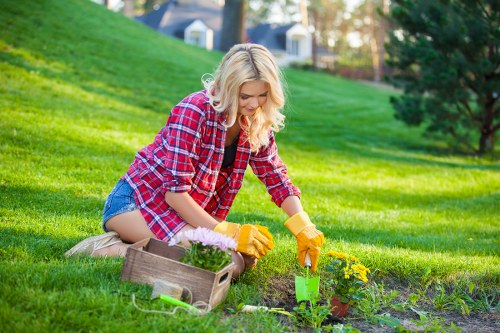 At Gardening Wimbledon we are committed to creating an eco-friendly waste disposal area and a resilient, sustainable rubbish gardening area that supports biodiversity and reduces landfill. Our approach blends practical recycling activity with community stewardship across Wimbledon and the wider boroughs. We prioritise reuse, composting and careful material separation to ensure every green cut and discarded pot contributes positively to local soil health and circular resource use.
Our measurable ambition is clear: a borough-focused recycling percentage target of 65% by 2028, moving to 75% by 2035 through incremental improvements in collection, sorting and processing. This target is ambitious but achievable when combined with partnerships, investment in low-carbon logistics and close coordination with municipal schemes. By setting a transparent goal we can track progress and celebrate the steady decline in residual waste from garden and household sources.
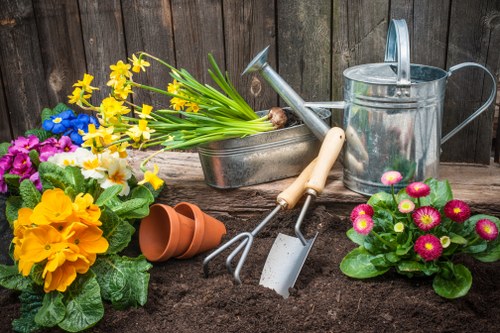 The local approach to waste separation informs our site systems: many of the London boroughs that cover Wimbledon operate separate collections for food & garden waste, dry recycling (paper, glass, metal and some plastics) and residual waste. Our site mirrors this framework with labelled bays and collection schedules aligned to kerbside systems, helping residents and gardeners follow the same separation logic they see at home. This alignment reduces contamination and increases the quality of materials sent to recycling processors.
We work closely with nearby transfer stations to ensure that materials collected in our eco-friendly waste disposal area move quickly to the right facilities. Local transfer stations, such as the borough transfer facility serving Merton and nearby transfer depots in neighbouring boroughs, handle green waste, wood, inert materials and dry recyclables. Efficient transfer station partnerships keep transport distances short and simplify the flow from garden to processor or composting facility, reducing emissions and improving turnaround.
Partnerships with charities and reuse organisations are central to our model. Strong links with local community groups, re-use charities and allotment networks mean usable pots, tools, surplus plants and bulk soil can be redirected rather than discarded. These collaborations turn potential waste into resources for community gardens, social enterprises and educational projects, reinforcing a circular economy around Wimbledon gardening activities.
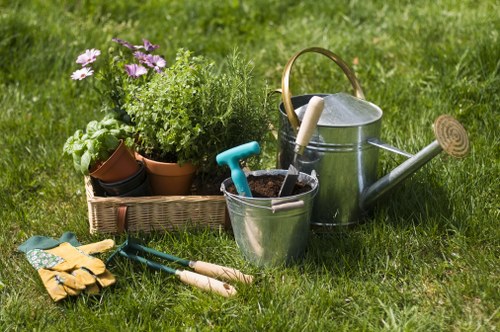 Our vehicle fleet and logistics are designed for low carbon impact. We operate low-carbon vans where possible: a mix of electric vans for short urban runs and highly efficient hybrid units for larger loads. Route optimisation software, driver training and telematics further reduce fuel use and emissions. Strong investment in greener transport dramatically cuts the carbon footprint of moving green waste from collection points to transfer stations or community reuse centres.
Designing a sustainable rubbish gardening area means more than bins: it includes onsite composting bays, covered storage for reusable materials, mulching and wood-chipping zones, and clear signage to prevent contamination. Compost generated on site is used to improve beds and tree pits across our projects, closing the loop between green waste and healthy urban soils. This integrated setup exemplifies how a Wimbledon sustainable gardening hub can be both practical and restorative.
How we manage waste separation
The local boroughs' approach to separation is reflected in our colour-coded system: mixed garden and food waste in one container, dry recyclables in another, and a residual waste stream for non-recyclables. We also provide dedicated containers for wood, soil, and bulky inert items to ensure these materials are either processed into mulch and compost or sent to appropriate recycling facilities. Clear labelling and easy access increase participation and reduce contamination rates.
Recycling activities at our sites include:
- Composting: turning green and food waste into usable compost
- Mulching and wood recycling: chipping prunings into mulch for paths and beds
- Material sorting: paper, glass, metals and plastics separated for council and commercial recycling streams
- Soil reuse: recovered topsoil screened and reused where possible
Community involvement is essential to progress. We coordinate volunteer shifts for site maintenance, run swap events for surplus tools and pots, and work with schools and local groups to encourage material reuse. These activities strengthen local stewardship and build shared ownership of our recycling percentage target. Practical community engagement keeps the sustainable rubbish gardening area active and well-used, multiplying environmental benefits.
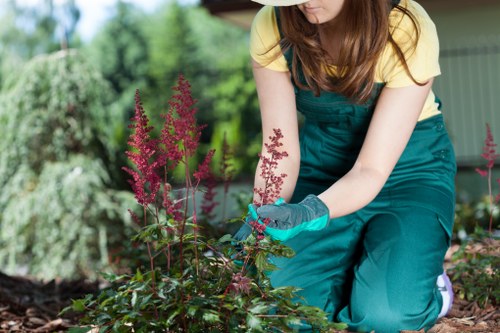 Monitoring and reporting are part of our commitment to transparency. Regular audits of tonnages, contamination levels and vehicle emissions enable us to adapt quickly. We publish summaries of diversion rates from landfill and progress towards the 65% recycling target, so stakeholders can see the effect of innovations such as improved segregation, charity partnerships and expanded electric vehicle use.
 In closing, Gardening Wimbledon aims to be a regional exemplar for an eco-friendly waste disposal area and a thriving, sustainable rubbish gardening area. By combining clear recycling targets, strong links with local transfer stations, active charity partnerships and a transition to low-carbon vans, we can reduce waste, cut emissions and return valuable materials to the local green economy. Together with residents and partners across the boroughs, we are turning garden waste into resources and ensuring our green spaces remain productive, low-carbon and resilient.